US Distribution Deals: Shaping Asian Dramas in 2026
Industry Watch: How US Distribution Deals are Shaping the Future of Asian Dramas in 2026
The global entertainment landscape is a dynamic, ever-evolving entity, and few sectors exemplify this more profoundly than the burgeoning relationship between US distribution powerhouses and Asian drama content creators. As we move into 2026, the impact of these strategic alliances is not just a trend; it’s a fundamental reshaping of how Asian dramas are produced, marketed, and consumed worldwide. The increasing demand for diverse, high-quality storytelling has propelled Asian content, particularly from South Korea, China, and Japan, onto the international stage, with US distribution deals acting as the primary catalyst for this unprecedented expansion. This article delves deep into the multifaceted ways in which Asian Drama Distribution US deals are defining the future of this vibrant industry.
The Genesis of a Global Phenomenon: Why US Distributors are Investing Heavily in Asian Dramas
For years, Asian dramas, particularly K-dramas, enjoyed a dedicated, albeit niche, following outside of Asia. However, the advent of global streaming platforms fundamentally altered this paradigm. The accessibility provided by services like Netflix, Hulu, Amazon Prime Video, and HBO Max allowed these narratives to transcend geographical and linguistic barriers, revealing a vast, untapped audience hungry for fresh perspectives and compelling storytelling. The initial success stories, such as Squid Game, Crash Landing on You, and Alice in Borderland, were not isolated incidents but rather harbingers of a sustained shift in global viewing habits.
US distributors, keenly aware of market trends and subscriber acquisition, quickly recognized the immense value proposition of Asian content. This value stems from several key factors:
- High Production Quality: Many Asian dramas boast cinematic visuals, intricate plots, and stellar performances that rival Western productions, often with more efficient budgets.
- Diverse Genres: From romantic comedies and historical epics to psychological thrillers and sci-fi fantasies, Asian dramas offer a rich tapestry of genres that appeal to a wide range of tastes.
- Cultural Nuance: The unique cultural contexts and storytelling approaches provide fresh narratives that stand out in a crowded content landscape, offering audiences something genuinely different.
- Dedicated Fandoms: Asian dramas often cultivate incredibly passionate and loyal fan bases, which translates into consistent viewership and strong word-of-mouth marketing.
- Strategic Market Expansion: Investing in Asian content allows US platforms to penetrate new markets, particularly within Asia, and solidify their global footprint.
By 2026, this investment has not only continued but intensified. US distribution deals are no longer just about licensing existing content; they are increasingly focused on co-production, early-stage development funding, and exclusive global rights, signaling a deeper, more integrated relationship between Western distributors and Asian creators. This strategic shift is a testament to the enduring power and growing influence of Asian Drama Distribution US partnerships.
The Evolution of Distribution Models: Beyond Simple Licensing
The early stages of Asian Drama Distribution US were largely characterized by licensing agreements, where US platforms would acquire the rights to stream completed Asian series. While effective in introducing content, this model had limitations. It often meant delayed releases, limited input on production, and fierce competition for popular titles. However, 2026 sees a sophisticated evolution in these models:
Co-Production and Original Content Development
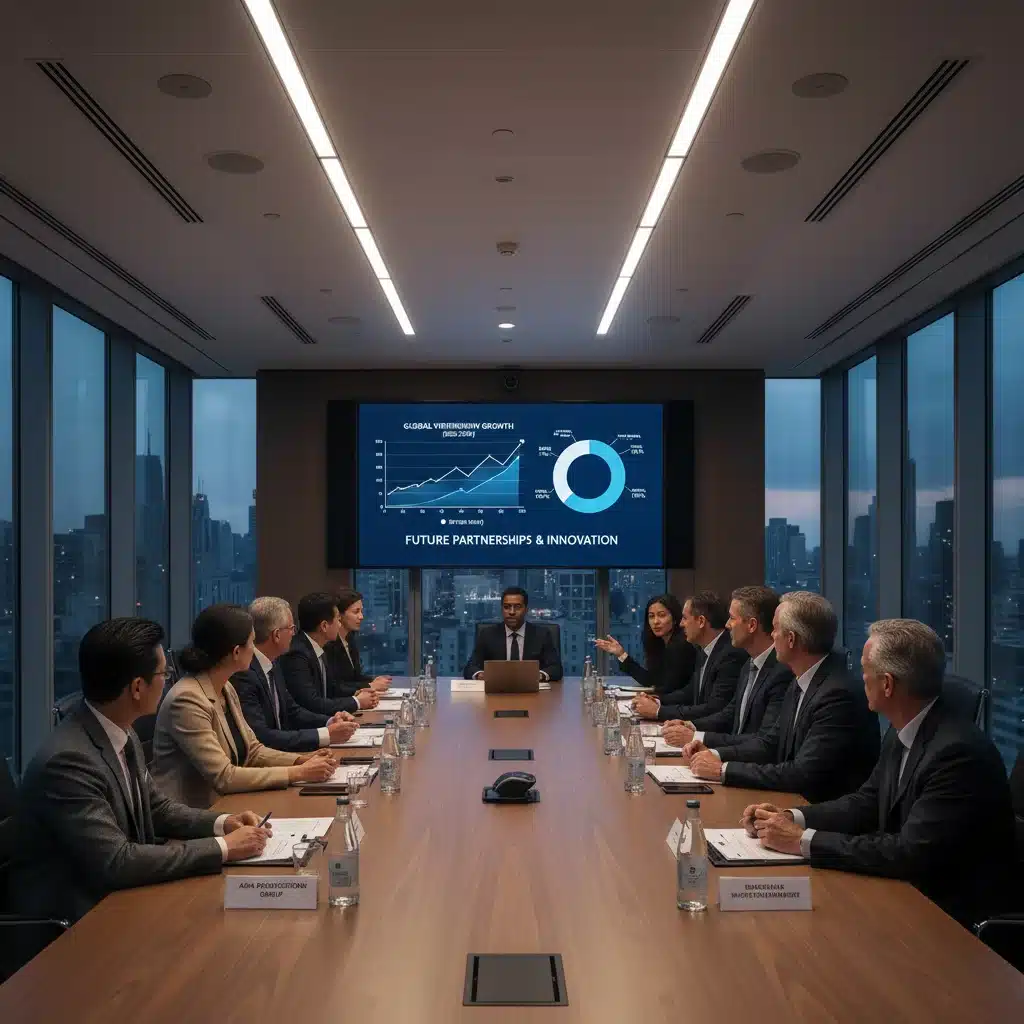
Major US players are now actively pursuing co-production deals, investing directly in the creation of new Asian dramas from the ground up. This allows for greater creative input, ensures global exclusivity from the outset, and can tailor content to resonate with both Asian and Western audiences. These collaborations often involve sharing resources, expertise, and talent, leading to higher production values and more ambitious projects. The goal is to create ‘global originals’ that blur the lines between regional and international content.
First-Look Deals and Output Agreements
To secure a steady pipeline of high-quality content, US distributors are entering into long-term first-look deals and output agreements with prominent Asian production companies. This gives them priority access to new scripts and completed series, reducing competition and ensuring a consistent flow of fresh content for their subscribers. These deals often come with significant financial incentives for the Asian studios, fostering stability and encouraging further innovation.
Localized Content Strategies for Global Reach
While the goal is global reach, US distributors are also becoming more adept at localized content strategies. This includes not just high-quality subtitling and dubbing in multiple languages but also understanding regional viewing preferences and marketing nuances. For instance, a drama might be marketed differently in Latin America compared to Europe or North America, even if distributed by the same US platform. This nuanced approach maximizes viewership and subscriber engagement across diverse demographics, further solidifying the importance of Asian Drama Distribution US strategies.
Impact on Production Quality and Storytelling in Asian Dramas
The influx of US investment and the strategic partnerships forged through distribution deals have had a profound and undeniable impact on the production quality and storytelling approaches within Asian dramas. This influence is multi-layered:
Increased Budgets and Technical Sophistication
With US funding, Asian production companies now have access to significantly larger budgets. This translates directly into enhanced technical sophistication: more elaborate sets, cutting-edge visual effects, advanced cinematography, and superior post-production. Dramas that once had to make do with limited resources can now compete visually with Hollywood productions, attracting top-tier talent and elevating the overall viewing experience.
Creative Freedom and Global Storytelling
While US partners naturally have a say in content that receives their funding, the trend has largely been towards fostering creative freedom rather than stifling it. Distributors are keen to preserve the unique cultural voice and narrative styles that make Asian dramas so appealing. However, there’s a growing emphasis on themes and stories that possess universal resonance, allowing these dramas to connect with a global audience without losing their authentic Asian identity. This balance is crucial for successful Asian Drama Distribution US partnerships.
Talent Development and International Collaboration
The increased investment also fuels talent development, both in front of and behind the camera. Directors, writers, and actors are gaining international exposure and opportunities to collaborate with global professionals. This cross-cultural exchange of ideas and techniques enriches the creative process, leading to more innovative and polished productions. The visibility afforded by US distribution deals also elevates Asian stars to global celebrity status, further boosting the appeal of the content.
Challenges and Opportunities in the 2026 Landscape
While the future of Asian Drama Distribution US appears bright, the landscape is not without its challenges and areas for continued growth.
Navigating Cultural Sensitivities and Localization
One of the persistent challenges is effectively navigating cultural sensitivities. While universal themes resonate, specific cultural nuances, humor, or historical contexts might require careful localization to avoid misinterpretation or offense. US distributors must work closely with Asian creators to strike the right balance between broad appeal and cultural authenticity. This involves more than just translation; it requires cultural adaptation and understanding.
Increased Competition and Content Saturation
The success of Asian dramas has led to increased competition. More US distributors are vying for content, and Asian production companies are also expanding their own direct-to-consumer platforms. This competition, while driving up content quality and creator compensation, also risks market saturation. Standing out in a crowded field will require continuous innovation in storytelling and marketing.
Sustainability of the Boom
The rapid growth inevitably raises questions about sustainability. Can the current pace of investment and production be maintained? The answer likely lies in continued diversification of content, exploring new genres, and fostering emerging talent from various Asian countries, not just the established powerhouses. Investing in animation, documentaries, and reality TV from Asia could be the next frontier for US distributors.
The Future of Fandom and Cultural Exchange
Beyond the economic and production impacts, Asian Drama Distribution US deals are profoundly influencing global cultural exchange and the nature of fandom. Asian dramas are becoming powerful vehicles for soft power, introducing diverse audiences to Asian languages, customs, fashion, music, and social issues. This exposure fosters greater understanding and appreciation of different cultures, breaking down stereotypes and building bridges.
Rise of Global Fandoms
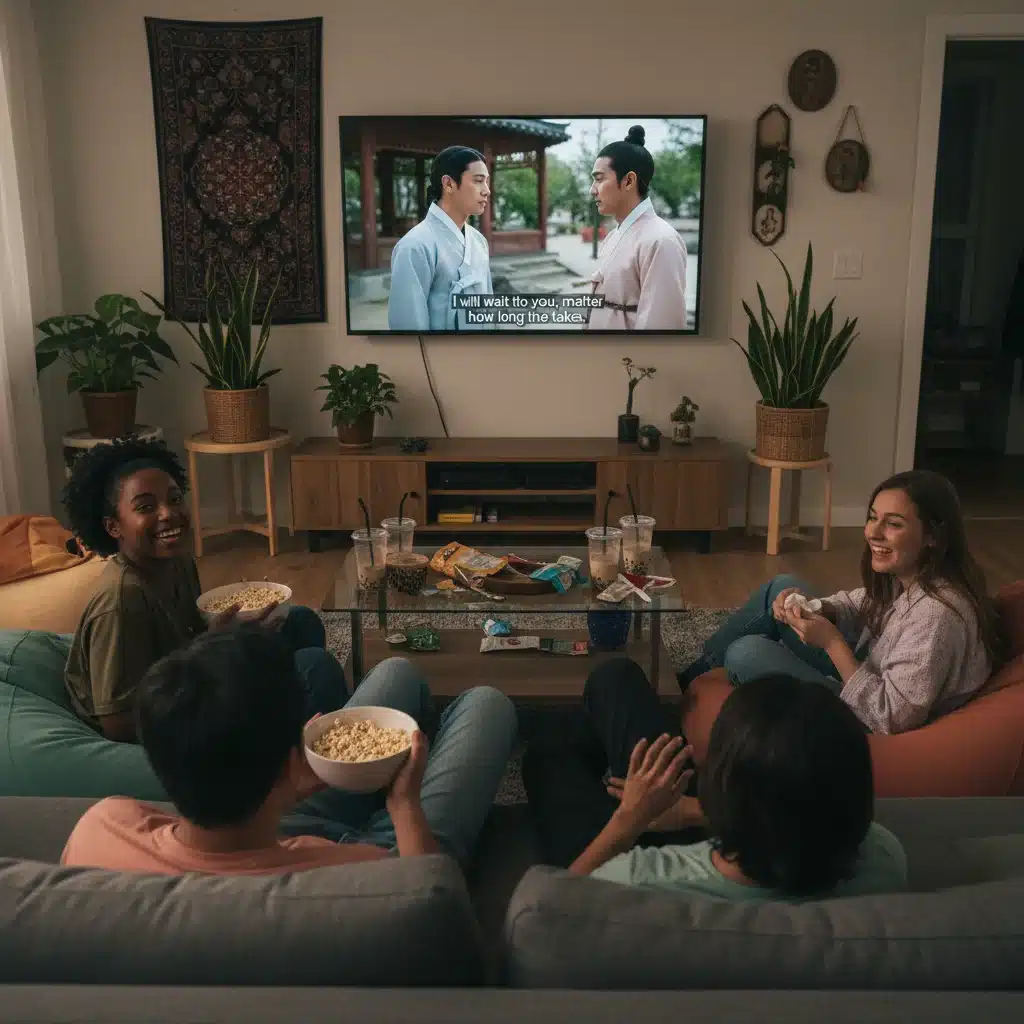
The global reach of these dramas has cultivated massive, interconnected fandoms. Online communities, social media discussions, and fan-generated content transcend geographical boundaries. Fans actively engage with the content, discuss theories, create fan art, and even learn new languages to better understand their favorite shows. This level of engagement is invaluable for distributors, as it creates a self-sustaining marketing engine.
Influence on Western Media
The success of Asian dramas is also influencing Western media. We are seeing more diverse casting, bolder storytelling choices, and a willingness to experiment with narrative structures that were once considered unconventional in Hollywood. This cross-pollination of creative ideas enriches the entire global entertainment ecosystem, proving that compelling stories can come from anywhere and resonate everywhere.
Key Players and Emerging Trends in 2026
In 2026, several key players continue to dominate the Asian Drama Distribution US landscape, while new trends are also emerging:
Dominant US Streaming Platforms
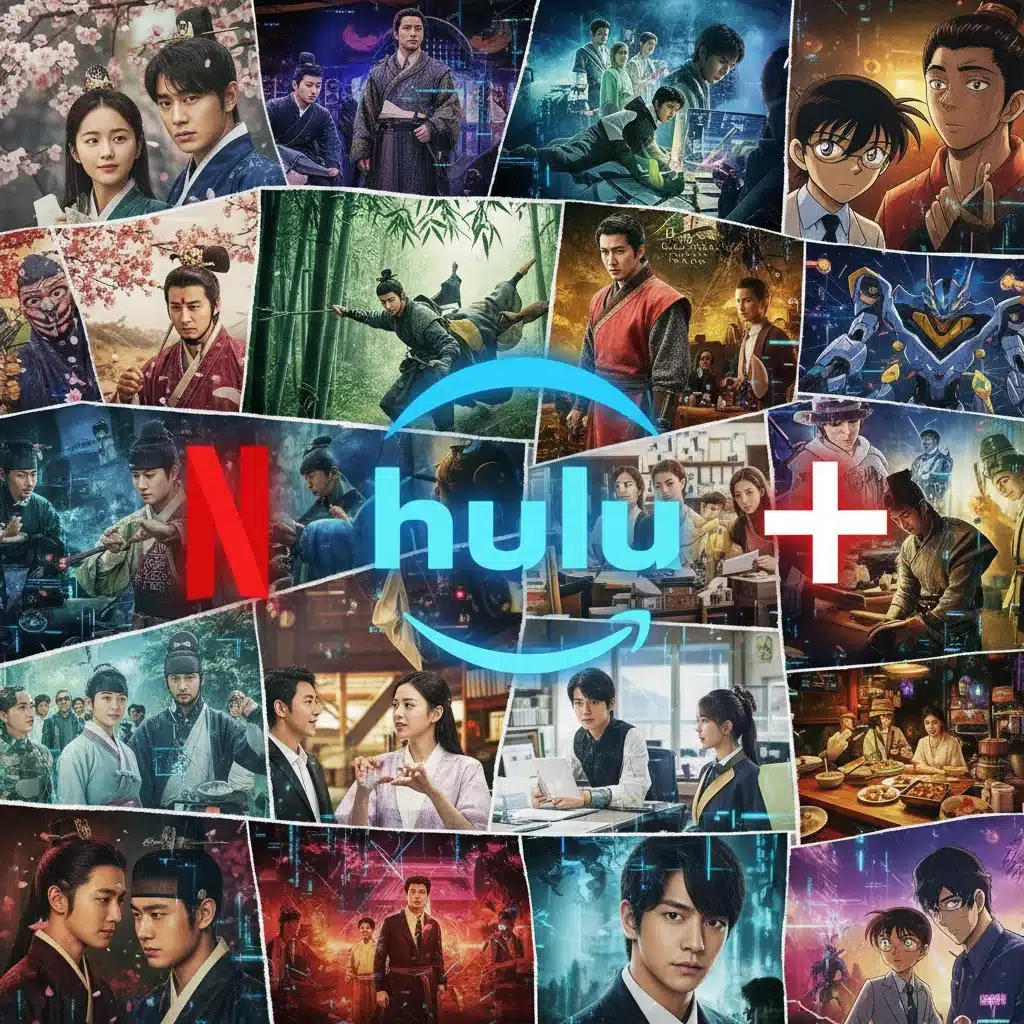
- Netflix: Remains a formidable force, having pioneered much of the initial global distribution of K-dramas and continues to invest heavily in original Asian content. Its global infrastructure and subscriber base make it an ideal partner for Asian studios.
- Hulu/Disney+: With a growing international presence, Disney+ (and Hulu in the US) is increasingly looking to Asian content to diversify its offerings and appeal to broader demographics. Their focus is often on family-friendly or action-oriented content.
- Amazon Prime Video: Continuously expanding its regional content libraries, Amazon Prime Video is a significant player, often striking deals for exclusive regional rights or co-producing content tailored for specific markets within Asia and beyond.
- Max (formerly HBO Max): While perhaps a smaller player in terms of sheer volume compared to Netflix, Max is known for curating high-quality, prestige dramas, and its entry into the Asian content space often involves critically acclaimed or high-concept productions.
Asian Production Powerhouses
Companies like Studio Dragon (South Korea), Huace Film & TV (China), and Fuji Television (Japan) are at the forefront of creating content that attracts US distributors. These studios are not just producers but also astute business entities, understanding the nuances of international markets and leveraging their creative talent to secure lucrative global deals.
Emerging Trends
- Increased focus on Southeast Asian content: Beyond the traditional powerhouses, US distributors are starting to explore content from countries like Thailand, the Philippines, and Indonesia, recognizing the rich storytelling potential and growing local markets.
- Interactive and Transmedia Storytelling: Expect more experimental formats, including interactive dramas and transmedia projects that extend narratives across different platforms (e.g., webtoons, games, and TV series).
- AI and Data-Driven Content Curation: US distributors are leveraging advanced AI and data analytics to identify potential hits, understand audience preferences, and optimize content acquisition strategies, making Asian Drama Distribution US even more data-informed.
- Focus on Diversity within Asian Content: There’s a growing push to represent a wider range of voices and experiences within Asian dramas, moving beyond mainstream narratives to include stories from marginalized communities or exploring niche subcultures.
The Economic Ripple Effect of US Distribution Deals
The economic implications of these Asian Drama Distribution US deals extend far beyond the immediate production budgets. They create a significant ripple effect across various industries:
Tourism and Cultural Exports
The global popularity of Asian dramas directly boosts tourism to filming locations. Fans flock to visit iconic sites seen in their favorite shows, contributing significantly to local economies. Furthermore, the exposure to Asian culture through dramas fuels demand for related products, from food and fashion to music and beauty products, transforming dramas into powerful cultural export engines.
Technological Advancements
The demand for high-quality streaming and content delivery pushes technological boundaries. Investment flows into better streaming infrastructure, advanced encoding, and innovative user interfaces to enhance the viewing experience for a global audience. This benefits not only the entertainment sector but also broader technological development.
Job Creation
From screenwriters and directors to visual effects artists, marketing professionals, and subtitlers, the boom in Asian drama production and distribution creates countless job opportunities across the globe. This economic stimulus is a powerful testament to the value generated by these international collaborations.
Conclusion: A Golden Age for Asian Dramas on the Global Stage
As we navigate 2026, it’s clear that US distribution deals are not merely facilitating the spread of Asian dramas; they are actively shaping their future. These partnerships are elevating production quality, fostering creative innovation, and broadening the global appeal of Asian storytelling to unprecedented levels. The symbiotic relationship benefits both sides: US platforms gain invaluable, diverse content to attract and retain subscribers, while Asian creators achieve global recognition, increased funding, and expanded opportunities.
The challenges of cultural navigation and market saturation remain, but the overarching trend points towards a continued, robust expansion. The golden age of Asian Drama Distribution US is upon us, characterized by deeper collaboration, more ambitious projects, and an ever-growing global audience eager to embrace the rich narratives emanating from Asia. This cross-cultural exchange through compelling storytelling is not just good for business; it’s good for the world, fostering understanding and connecting people through shared human experiences, one drama at a time.